Origin Selection
Each Eloma composition begins with an origin review. Before any ingredient enters the specification, the formulation team establishes a complete supplier profile: the geographic provenance of the raw material, the processing facility and its standard for food-grade operations, and the document trail that connects the material to its named-region origin.
Active ingredients are sourced from documented suppliers, with each batch accompanied by a certificate of composition. Sourcing prioritises suppliers whose facilities maintain food-grade processing standards. Regional sourcing is preferred where documentation standards can be verified — this preference does not mean regional exclusivity, but it does mean that alternative suppliers must meet an equivalent documentation standard before approval.
The supplier locale for each ingredient is logged in the formulation brief for that composition. This origin map — covering the primary material regions for the current range — is filed in the archive alongside the batch documentation.

Ratio Calibration
Once ingredient sourcing is confirmed, the formulation team sets the ratio of each component in the daily measure. This process draws on published nutritional research related to the micronutrient demands of active adult men — not on marketing-driven claims about ingredient concentration, but on the physiological logic of daily-use supplementation.
The serving composition is expressed as a fixed daily measure: a specific combination of capsule count, timing, and ingredient ratio that does not change between production cycles unless there is a documented reason grounded in ingredient availability or updated nutritional reference values. Stability in composition is a methodological principle, not a production constraint.
Each calibration decision is recorded in the formulation brief, including the reference sources consulted, the previous composition specification (if any), and the rationale for any change. This record is archived under the composition revision number.

Batch Verification
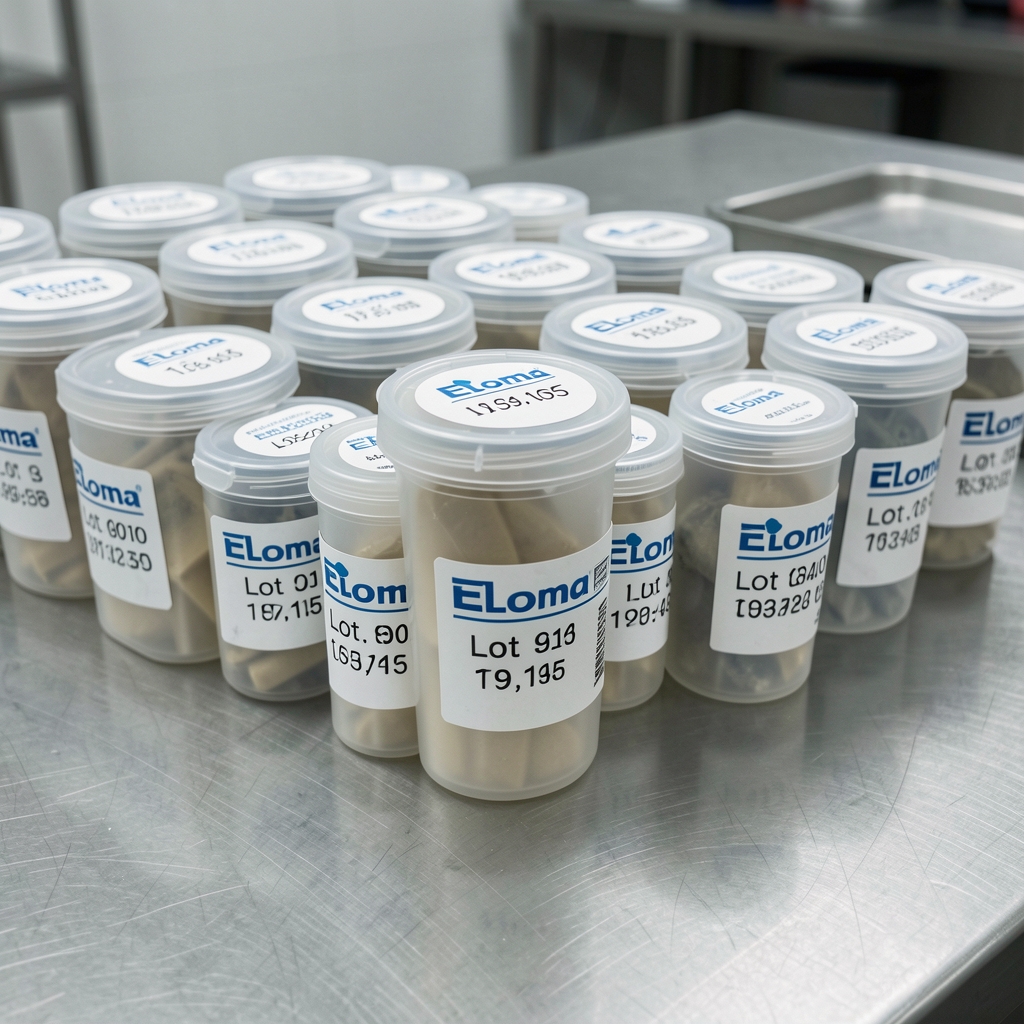
Every production lot is assigned a unique batch code before it is submitted for independent analysis. The code format (ELM-YY-NN) encodes the production year and lot sequence number. This code appears on the product label and allows any customer to trace the lot through the archive.
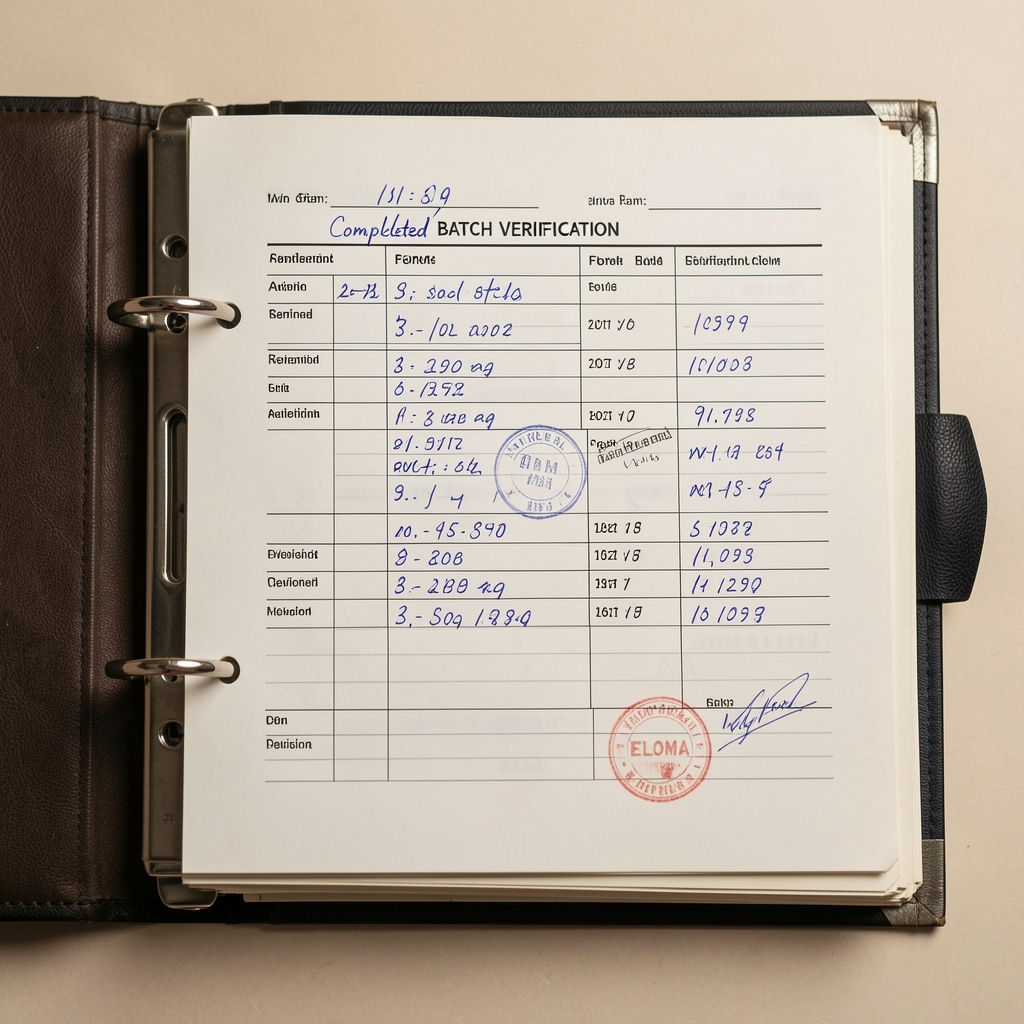
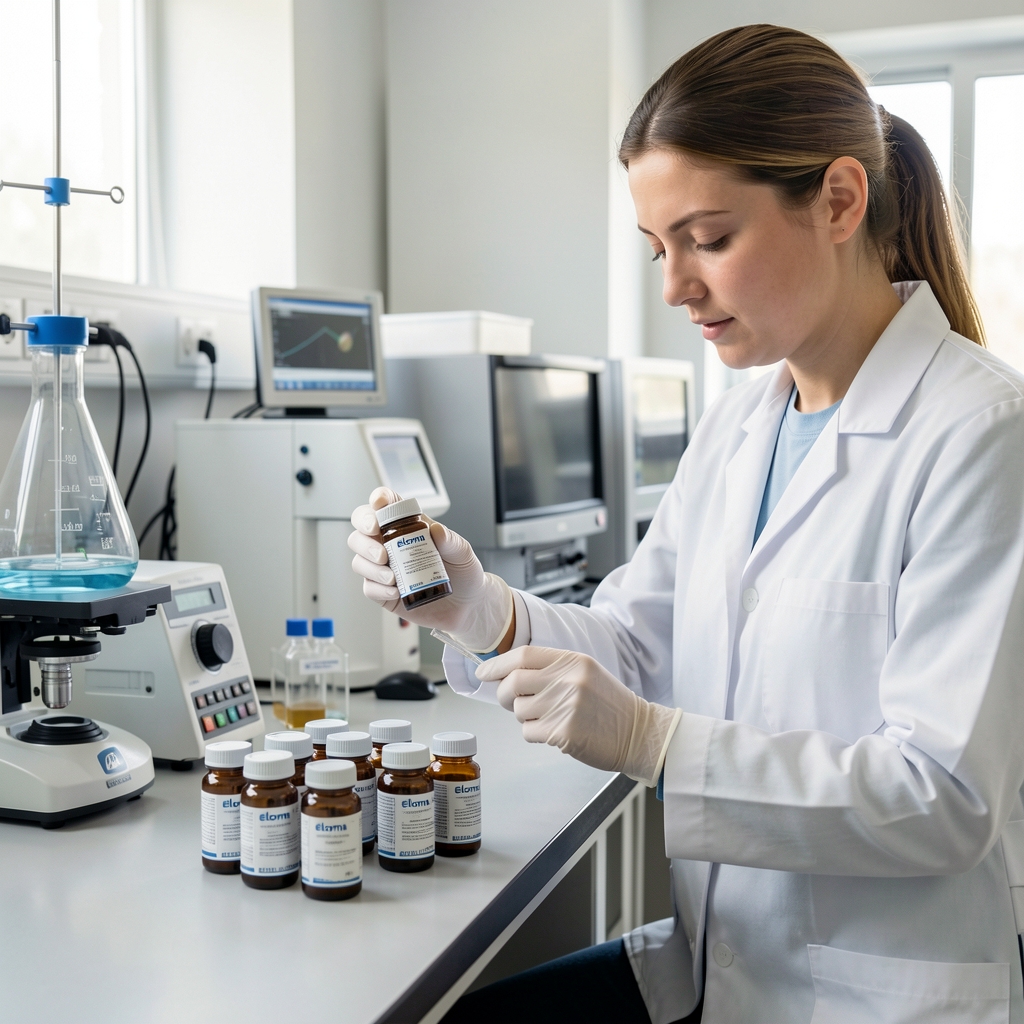
Ingredient profiles in Eloma supplements are selected based on published nutritional research and undergo independent batch verification for quality and labelling accuracy. The analysis covers elemental concentration for each mineral constituent and active content for each vitamin component. Results are compared against the formulation brief targets. Batches that fall outside the acceptable range are not released; they are documented, retained, and subject to sourcing review.
The certificate of analysis from the independent facility is filed in the archive against the batch code. Customers who have purchased an Eloma product may request the certificate corresponding to the batch code printed on their label by contacting the team directly.
Archive Entry
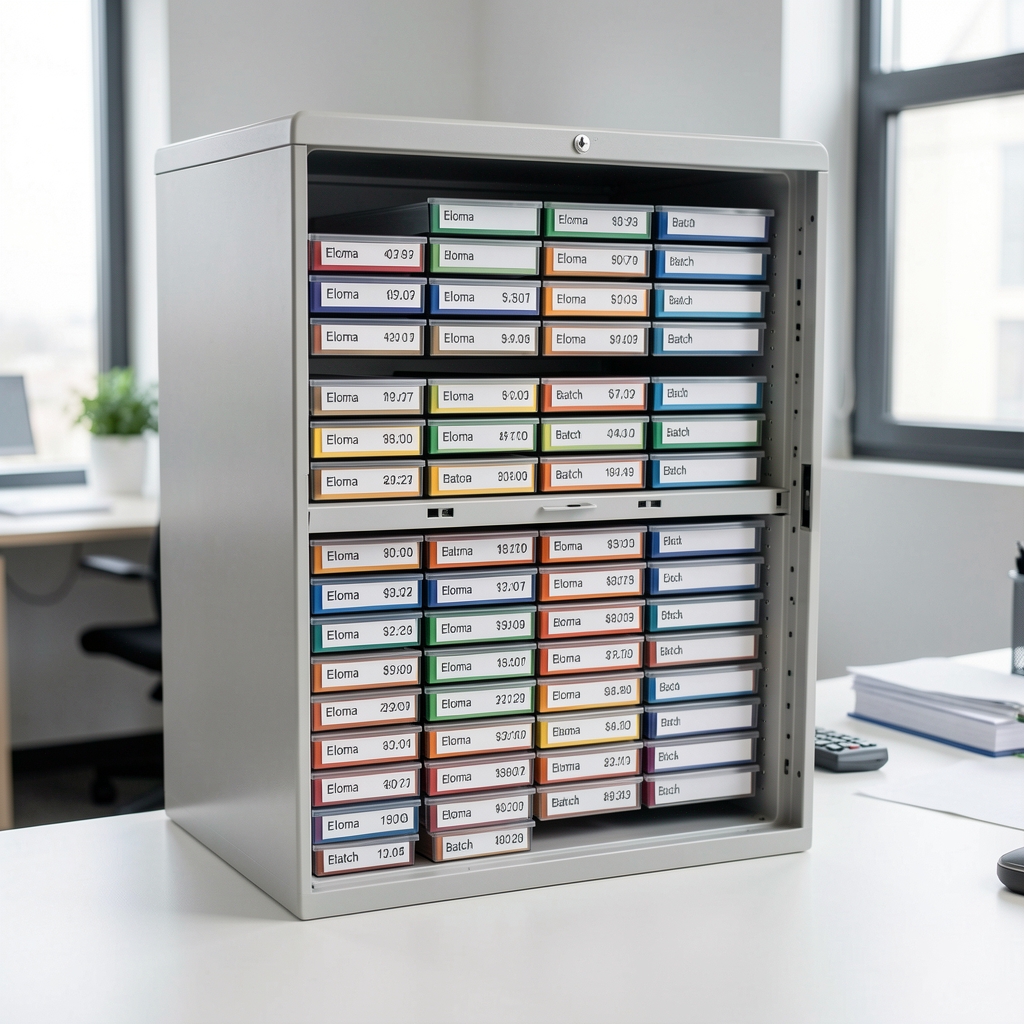
Archive entry is the final stage of each production cycle. When a batch passes independent verification and receives its release status, the complete documentation package — supplier invoice, chain-of-custody record, formulation brief, and certificate of analysis — is filed under the batch code as a single archive entry.
The archive currently holds over sixty revision entries covering every production lot since 2019. Each entry is assigned a revision number that reflects both the lot sequence and any specification changes applied to that cycle. The archive format is fixed: field names, date format, revision notation, and certificate reference number are standardised across all entries.
The archive is maintained by the quality-assurance reviewer and audited annually for completeness. Any gap in the documentation sequence — a missing supplier invoice, an incomplete certificate reference — is treated as a non-conformance event and logged accordingly before the next production cycle begins.